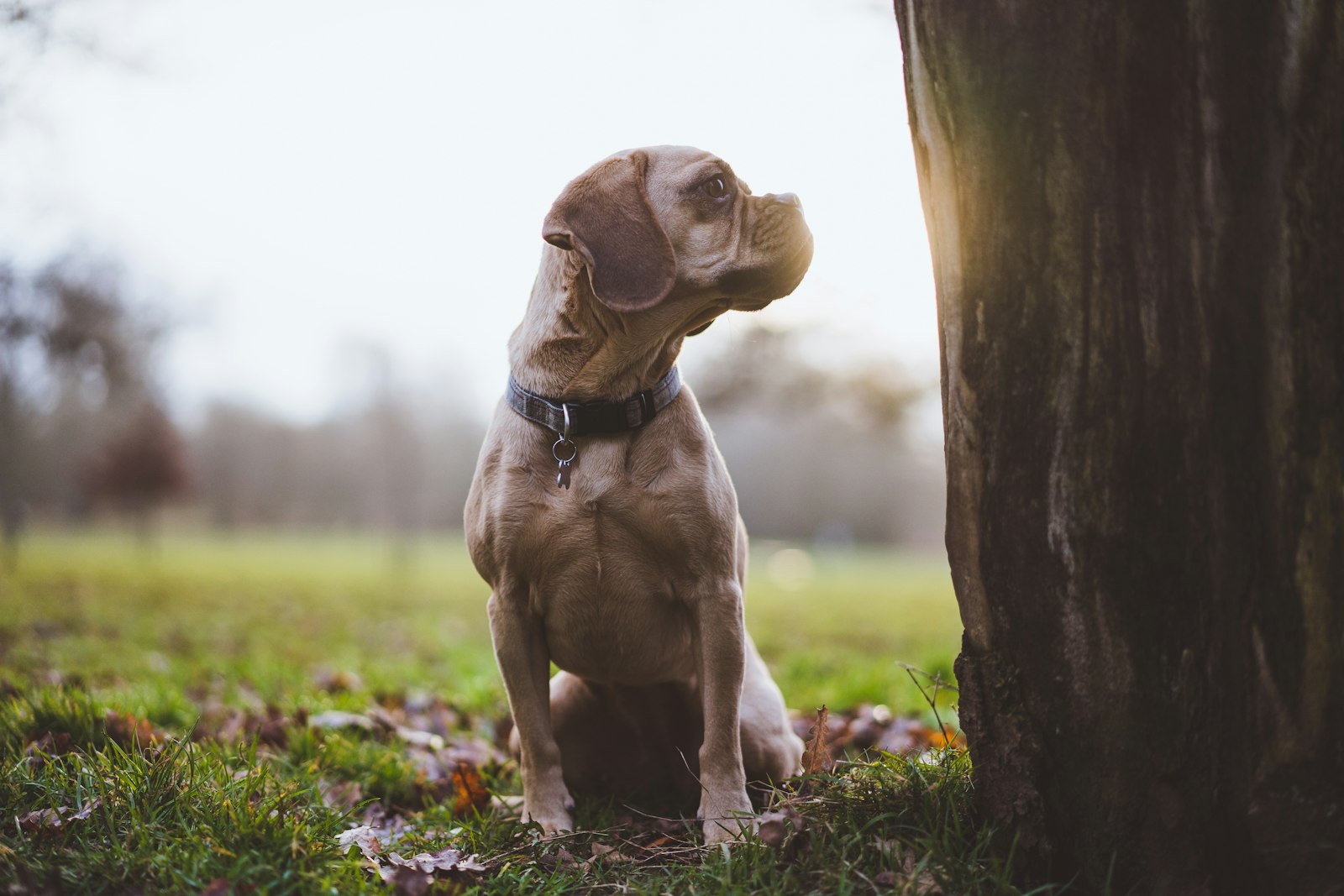
Dog grooming is easy to think of as a cosmetic service. People notice when the coat looks shaggy, the paws get fuzzy, or the dog starts smelling like it is time for a bath. But in real life, grooming is mostly about comfort, coat condition, skin health, and how easy your dog is to live with day to day.
That matters even more when dogs in the same city live very different lives. Some spend most of their time indoors, with short walks and a predictable routine. Others are out often, riding in the car, walking hills, visiting parks, and picking up dust, grass, burrs, or mud along the way. In Castro Valley, where many dogs split time between neighborhood life and regular outdoor activity, grooming needs can vary more than owners expect.
If you are looking into dog grooming in Castro Valley, it helps to start with lifestyle instead of haircut photos or breed stereotypes. Coat type still matters, but so do activity level, time outside, tolerance for brushing, and how much upkeep your household can realistically handle between appointments. The best grooming routine is the one that fits the dog you actually have.
Grooming supports comfort, not just appearance
A steady grooming routine helps prevent small problems from turning into bigger ones. Nails that get too long can affect how a dog walks. Tangles can tighten into mats that pull on the skin. Dirty paw pads, trapped debris, and neglected ears can all make a dog less comfortable over time.
That is why grooming is not only for long-haired breeds or dogs with styled cuts. Many short-coated dogs still benefit from regular baths, nail trims, ear checks, and help during shedding seasons. Dogs with thicker coats may need even more support, especially if they spend a lot of time outside.
When owners think of grooming as regular care instead of a last-minute fix, appointments usually go better. The coat is easier to manage, the dog is more comfortable, and the whole process tends to be less stressful.
Your dog’s lifestyle should shape the schedule
Two dogs with the same breed mix can need very different grooming routines if their daily lives look different.
A dog that mostly stays indoors, walks on sidewalks, and lounges at home may need a simple maintenance plan. Another dog with the same coat may be on trails, in grass, around dirt, or getting wet several times a week. That dog may need more brushing, more paw cleanup, and less time between professional appointments.
In Castro Valley, that difference can show up quickly. Some dogs are mostly neighborhood companions. Others spend more time in outdoor areas such as Lake Chabot and nearby parks, where coats and paws can collect more debris than owners expect. Dogs that are out often do not just get dirtier. Their coats can also get harder to manage when home care falls behind.
That is one reason generic grooming advice is often not enough. A routine that works for one dog may be completely wrong for another. The goal is not to follow a perfect schedule on paper. It is to build one that works in real life.
Coat type matters, but it is only part of the picture
Coat type sets the baseline. Dogs with curly, wavy, or continuously growing coats usually need the most regular professional grooming. Doodles, poodles, bichons, shih tzus, cocker spaniels, and similar mixes can mat quickly, especially behind the ears, under the collar, on the legs, and around the tail.
Double-coated dogs bring a different challenge. Golden retrievers, shepherds, huskies, and similar breeds may not need regular haircuts, but they often need more brushing and deshedding than owners expect. Loose undercoat can build up even when the topcoat still looks fine.
Short-coated dogs are often easier to maintain, but they are not maintenance-free. Baths, nail trims, ear cleaning, and seasonal shedding support still matter. Many short-coated dogs go too long between appointments simply because they do not look obviously overdue until the basics have been neglected.
The best approach is to combine coat type with lifestyle. A low-maintenance coat on a highly active dog may still need regular upkeep. A higher-maintenance coat on a mostly indoor dog may need a different schedule, but it still needs consistency.
Behavior can matter as much as coat
Some dogs tolerate brushing, bathing, nail trims, and drying without much fuss. Others are sensitive to touch, noise, restraint, or unfamiliar settings. A dog that panics during nail trims or struggles with the dryer may need a different grooming plan from a dog that takes everything in stride.
This is where grooming becomes a comfort issue, not just a coat issue. If a dog is nervous, older, easily overstimulated, or simply not used to regular grooming, shorter gaps between visits can help keep each appointment more manageable. Waiting too long often makes the job bigger, which can make the experience harder on the dog.
For owners in Castro Valley with shy or sensitive dogs, handling style may matter more than getting a perfectly polished result every time. A patient groomer, clear communication, and a realistic schedule usually do more for long-term success than pushing through one long appointment.
Puppies and senior dogs need different kinds of support
Life stage matters just as much as coat type. Puppies need introductions, not just grooming. Early visits should help them get used to bathing, brushing, standing still, nail handling, and unfamiliar sounds. The best puppy appointment is not always the one with the prettiest finish. It is the one that helps the dog feel more comfortable next time.
Senior dogs often need the opposite of a fast-paced grooming routine. Older dogs may have joint stiffness, thinner skin, weaker balance, or less tolerance for long sessions. They may still need regular grooming, and sometimes they need it more than before, but the process often works better when it is gentler and more comfort-focused.
A dog that handled full appointments easily at age three may need a different pace at age eleven. Good grooming routines are not fixed. They should change as the dog changes.
Home care is what makes professional grooming work
What happens between appointments matters a lot. For many dogs, a few minutes of brushing several times a week helps more than one rushed cleanup after weeks of neglect. Wiping paws after outings, checking behind the ears, keeping the sanitary area clean, and paying attention to nail length can all make professional grooming easier.
That does not mean every owner needs a complicated home routine. In most cases, simple is better. The best plan is one you can keep up with. For some dogs, that means regular brushing plus scheduled grooming visits. For others, it means lighter home care because the professional schedule is frequent enough to keep the coat manageable.
The main mistake is assuming a groomer can undo long gaps without consequences. That usually leads to bigger appointments, more discomfort, and a harder experience for the dog.
Mobile grooming and salon grooming can both work well
Mobile grooming can be a strong fit for dogs that get stressed by car rides, crowded waiting areas, or noisy salon settings. It can also help busy households stay consistent when drop-off and pickup logistics get in the way.
Salon grooming still works well for many dogs. Some are comfortable there, some owners prefer the setup, and some grooming tasks are easier in a larger workspace. What matters most is not whether the service is mobile or in-shop. It is whether the dog is handled well and whether the routine is realistic enough to maintain.
Consistency usually matters more than the format.
What to look for in a groomer
A good groomer usually stands out in practical ways. They ask about your dog’s coat, age, behavior, skin concerns, and how much maintenance you can handle at home. They talk about upkeep, not just appearance. They help you think ahead instead of waiting for problems to build up.
That kind of communication matters because grooming works best when it is collaborative. A groomer should be able to explain what your dog needs now, what early problems to watch for, and what kind of schedule is likely to keep the coat comfortable and manageable.
Budget matters too. Grooming is recurring care, and owners have to be realistic about cost. But the cheapest appointment is not always the best value if it leads to inconsistent care, more stress, or a routine that falls apart after a few weeks. In many cases, the better value comes from a schedule that prevents matting, discomfort, and avoidable problems before they start.
The right routine is the one that fits real life
The best dog grooming routine in Castro Valley is not always the fanciest or the most frequent. It is the one that fits your dog’s coat, behavior, age, and daily life well enough that you can actually stick with it.
For some dogs, that means full-service appointments on a steady schedule with brushing at home. For others, it means shorter intervals because outdoor activity, fast coat growth, or sensitivity makes longer gaps too hard. Some do better with mobile grooming. Others are completely fine in a salon. Some need gentle puppy introductions. Some need senior-friendly adjustments.
The common thread is fit. When grooming is built around your dog’s real life, the coat stays easier to manage, the dog stays more comfortable, and appointments are usually less stressful for everyone involved.
That is what a good grooming routine should be: not a last-minute scramble, but a steady, practical part of taking good care of your dog.